San Script: A Handwritten Font for Web Design
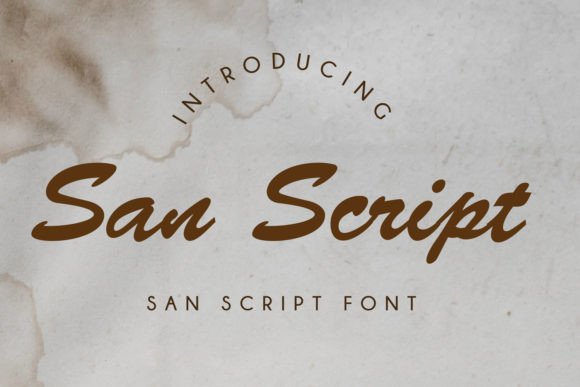
San Script is a premium script font that brings the warmth of hand-drawn typography to digital design. Its organic strokes and personal charm make it ideal for web designers looking to add authenticity to their layouts. As a display font, San Script offers a unique balance between elegance and approachability, making it a valuable addition to any design toolkit.
Designed with quick dry strokes and a signature style, San Script mimics natural handwriting while maintaining clarity and consistency. This makes it particularly useful for creating visual hierarchy on websites, where clear typography can guide users through content and drive engagement. Whether used in headers, buttons, or decorative elements, San Script adds a human touch without sacrificing readability.
Using San Script in Web Design
Web designers often rely on fonts to establish brand tone and create a cohesive visual identity. San Script excels in this role, offering a soft yet confident presence that works well across various digital platforms. For example, on a creative portfolio site, San Script can be used in the hero section to introduce a designer’s name or tagline, instantly setting a professional yet personal mood.
In an online store, San Script can elevate banners and product titles, drawing attention while maintaining a clean aesthetic. On a coaching website, it can be used in call-to-action buttons or section headings to reinforce a message of trust and expertise. The font’s versatility allows it to adapt to different contexts, from bold headlines to subtle accents.
When used in short phrases or logos, San Script enhances brand recognition by adding a distinctive character. It works especially well in social media graphics, email newsletters, and digital ads, where visual impact is key. Its handwritten feel makes it a great choice for brands aiming to convey creativity, authenticity, or a personal connection with their audience.
Readability and Responsive Design
While San Script is a decorative font, its design ensures it remains readable even at smaller sizes. This is crucial for mobile responsiveness, where text must be legible on a variety of screen sizes. When used in buttons or navigation menus, San Script can help differentiate interactive elements without overwhelming the user.
On dark backgrounds, San Script maintains good contrast, making it suitable for overlays or image captions. On light backgrounds, its strokes remain crisp and easy to follow. Designers should test the font in different scenarios to ensure it meets the needs of their target audience.
For optimal performance, San Script should be used sparingly. Overusing it can reduce readability and dilute its impact. Instead, pair it with a simple sans serif or serif font for body copy, creating a balanced and professional look. This pairing also helps maintain a clear visual hierarchy, ensuring that important information stands out.
Font Pairing and Brand Identity
Pairing San Script with other fonts can enhance its effectiveness in different design contexts. For instance, combining it with a clean sans serif like Open Sans or Lato creates a modern, professional look that works well for SaaS websites or business portfolios. With a serif font like Georgia or Playfair Display, San Script can evoke a more editorial or luxury feel, ideal for blogs or lifestyle brands.
When building a brand identity, San Script can serve as a key element in the typographic system. It can be used consistently across websites, marketing materials, and packaging design to reinforce brand recognition. Its organic style complements both minimalist and expressive design approaches, making it adaptable to a wide range of creative visions.
Designers should also consider the font’s file formats and webfont availability. San Script is likely available in multiple weights and styles, allowing for flexibility in different design applications. Checking for multilingual support is important for global brands, ensuring that the font works effectively in various languages and scripts.
Commercial Licensing and Practical Use
For web designers and digital product creators, understanding commercial font licensing is essential. San Script may require a proper license for use on websites, client projects, or online stores. Always verify the terms of use to avoid legal issues and ensure compliance with font agreements.
When incorporating San Script into a design project, consider how it will be implemented. Webfont services like Google Fonts or Typekit can simplify the process, ensuring the font loads quickly and displays consistently across devices. For print or offline use, check if the font includes all necessary styles and characters.
San Script is more than just a decorative font—it’s a tool for creating meaningful digital experiences. By thoughtfully integrating it into web design, UI, and brand assets, designers can enhance user engagement, build trust, and express a unique creative voice. Whether used in a hero section, a product landing page, or a blog header, San Script adds a personal touch that resonates with audiences.